


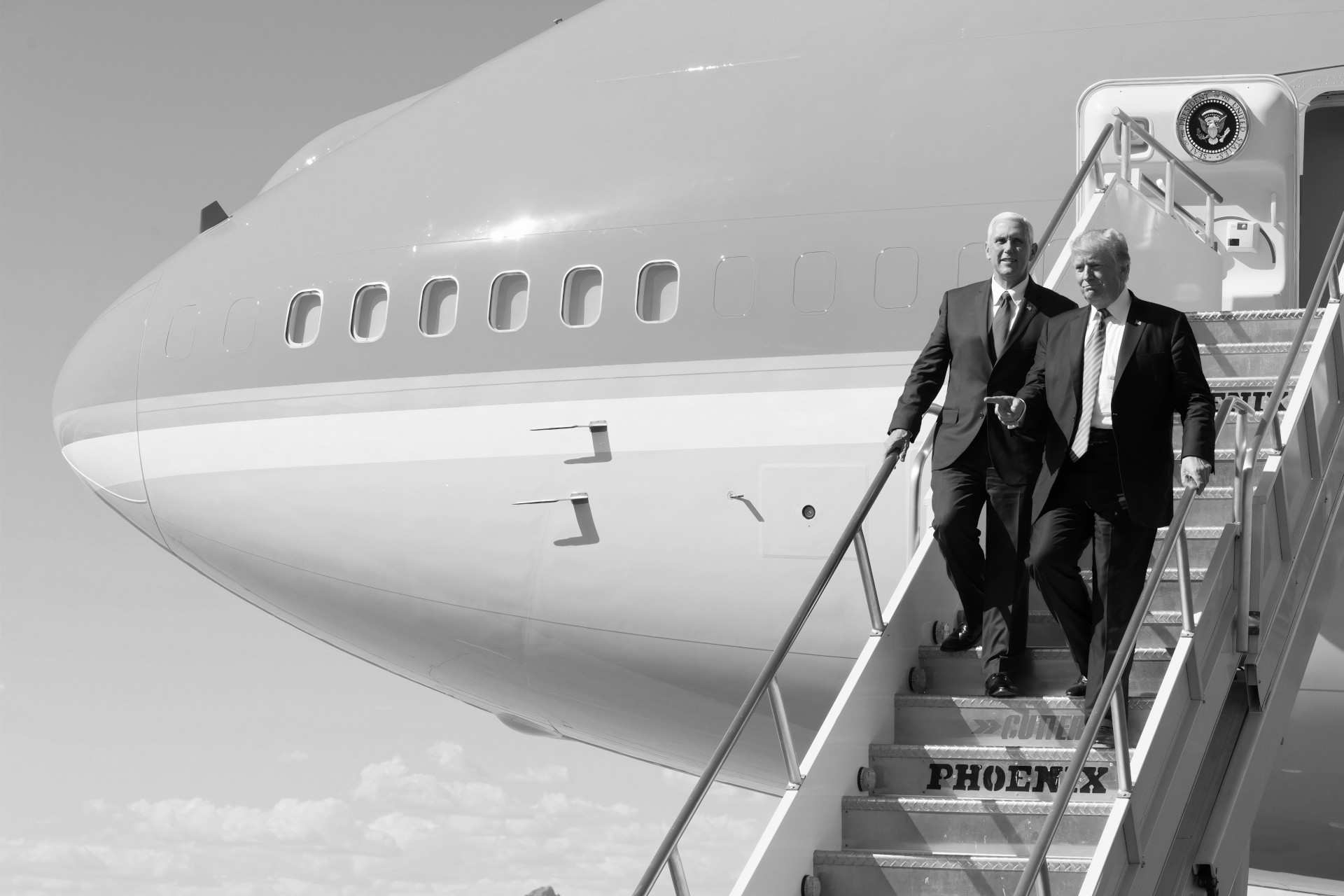
In a move that reshapes the global trade landscape, the United States has struck significant trade agreements with two Southeast Asian powerhouses: Vietnam and Indonesia.
While these new deals impose tariffs of up to 20% on imports, they also mark a pivotal moment for companies looking to diversify their supply chains and explore offshore staffing solutions.
A Strategic Pivot Away from China
With China once again at the center of tariff hikes and trade uncertainty, Vietnam and Indonesia have emerged as strategic alternatives.
These new agreements underscore a broader shift: while manufacturing goods may become more expensive under the latest tariff regimes, services remain untouched. This opens the door for forward-thinking companies to restructure their operations, moving design, development, and quality control roles offshore — without falling under the scope of tariff penalties.
Indonesia: 19% Tariff and a $19.5B Commitment to US Exports
Announced on July 15, 2025, the US-Indonesia deal sets a 19% tariff on Indonesian goods, averting a more severe 32% levy initially threatened by President Trump. In return, Indonesia has pledged $19.5 billion in US purchases, including 50 Boeing jets, energy, and agriculture imports.
President Trump praised the agreement as “a great deal for everybody,” while Indonesia’s President Prabowo Subianto echoed optimism, referring to a “new era of mutual benefit” between the nations.
Meanwhile, Indonesian services and tech exports remain unaffected by the tariffs, creating an opportune environment for offshore staff augmentation.
Vietnam: A Deal “Pretty Well Set”
Earlier in July, President Trump announced a preliminary trade agreement with Vietnam, proposing a 20% tariff on Vietnamese imports. While the full terms have yet to be disclosed, the message is clear: transshipped goods and loopholes in manufacturing chains will be closely monitored, with penalties reaching up to 40%.
Despite initial uncertainty, the Vietnamese stock exchange — which had seen significant turbulence following April’s U.S. tariff threats — responded positively to the news. Investor confidence rebounded on expectations of long-term trade stability and renewed U.S. engagement with Vietnam as a preferred Southeast Asian partner.
Beyond manufacturing, Vietnam’s rapidly expanding service sector, skilled workforce, and established infrastructure position it as a premier destination for offshore staffing.
For American companies facing rising import costs, Vietnam now represents a strategic base for digital operations, sourcing support, and quality control teams — all unaffected by product-based tariffs.
Rising Costs = Rising Opportunity for Services
While goods are increasingly burdened by tariffs, outsourced services remain a haven for cost-efficient expansion. Sectors such as product design, prototyping, quality control, sourcing support, and digital creative services can all be offshored without the added financial pressure of import tariffs.
This is where companies like Remote Resources and Play Trail provide strategic value:
- Play Trail maintains an extensive database of vetted factories across Vietnam and Indonesia, specializing in toys manufacturing and toy packaging. We go beyond sourcing — we build your supply chain.
- Through Remote Resources, we offer access to remote teams of toy designers, QA/QC testers, sourcing experts, and project managers — all based in Southeast Asia and fully operational within your timezone and framework.
Whether you're a toy brand, a consumer product startup, or an established importer, offshore staffing is your next logical move. You can augment your team, control operational costs, and remain competitive despite shifting trade regulations.
Conclusion: Rethink Your Strategy Before August 1
As the US prepares to enforce its new tariff regime starting August 1, 2025, businesses must act fast. Imports will cost more. China remains a volatile sourcing partner. But Southeast Asia offers resilience, scalability, and flexibility — especially in the world of services and staff augmentation.
Contact Remote Resources and Play Trail today to build your offshore team, streamline your sourcing, and adapt to the evolving trade landscape — without sacrificing quality or margins.

.png)
.png)
.png)


