Dedicated Product Design Team in Vietnam
“Your designers should be designing. Not chasing new hires, payroll or sample rounds.”
A dedicated product design team in Vietnam is a group of designers who work only on your products. They follow your briefs, your brand guidelines and your review process. Remote Resources recruits, hosts and supports them locally, so you get the design capacity without the hiring and HR workload. Want to see how this could fit your company? Talk to Remote Resources about your design roles.
After reading this, you will know how a dedicated product and packaging design team in Vietnam fits into your workflow, what stays in your hands, and what you can hand over with confidence.
Key takeaways
- A dedicated product design team works only on your products, inside your briefs, tools and brand guidelines.
- You keep creative direction and approvals. Remote Resources handles recruitment, payroll, local HR, office and IT.
- Continuity is the real gain. A team that knows your brand needs fewer explanations and fewer revision rounds.
- Vietnam’s UTC+7 time zone lets design work move forward while your home team is offline.
- For toys, games and collectibles, design work can connect directly to manufacturing support through Play Trail.
How Does a Dedicated Product Design Team in Vietnam Work?
For many product companies, the pressure is familiar. Your in-house designers are spread across new product lines, packaging refreshes, retail deadlines and seasonal launches. Good ideas wait in the backlog because nobody has time to develop them. Hiring locally takes months, and every new hire adds overhead.
A dedicated offshore team is one way to add steady capacity without starting from zero. This guide explains what such a team does, what Vietnamese design talent brings, what stays with you, and how to get started.
What a Dedicated Product and Packaging Design Team Does for You
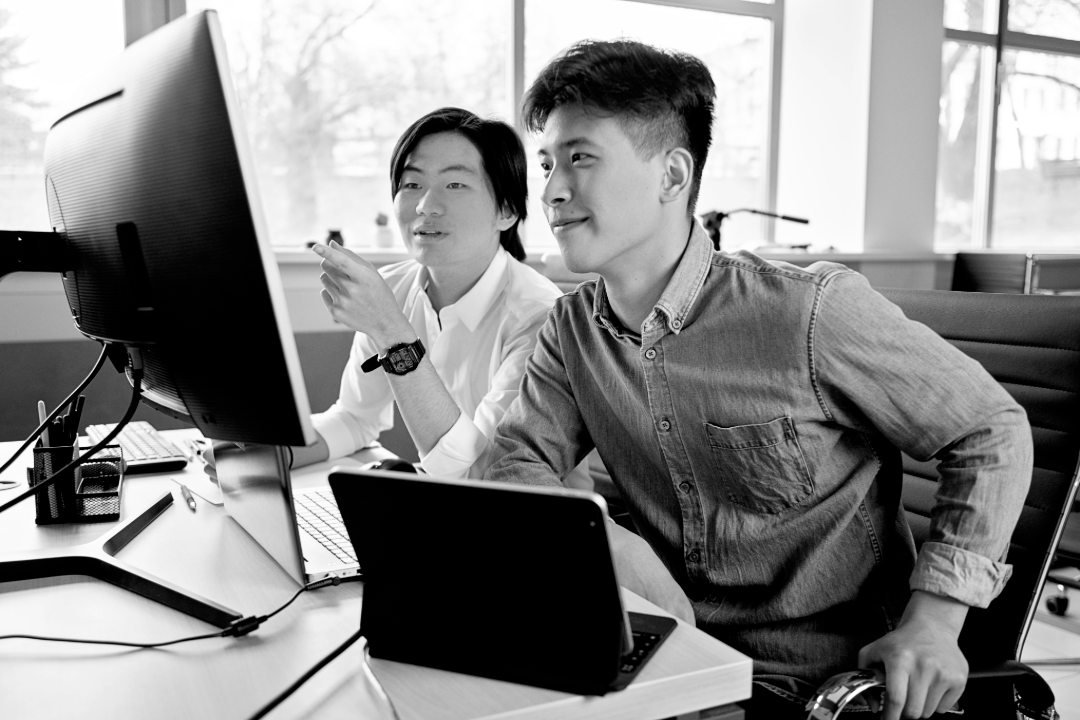
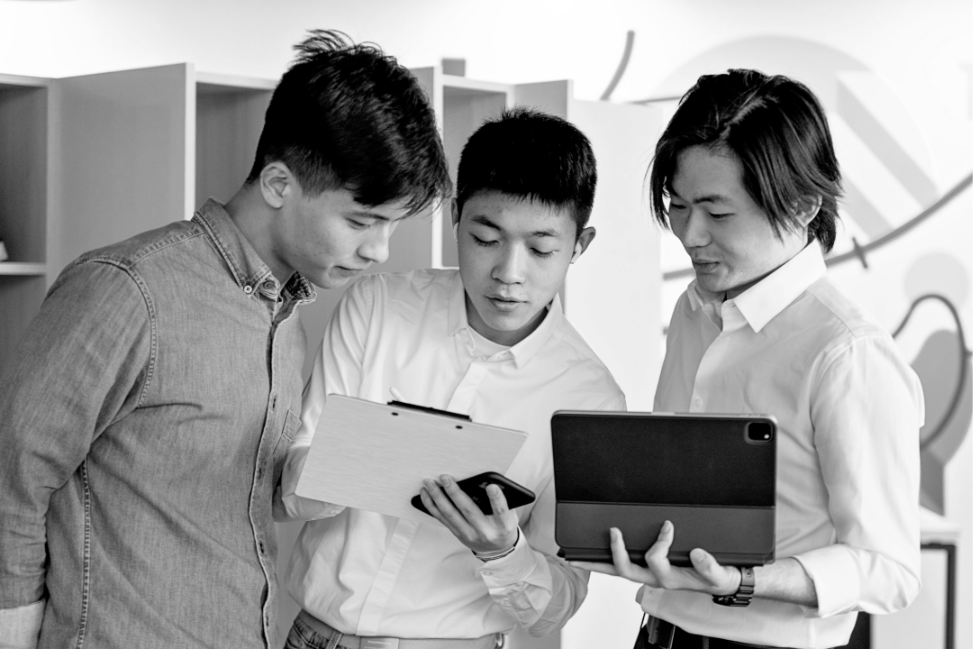
A dedicated team is not a pool of freelancers picking up random tasks. It is a stable group of designers who become part of your product workflow. They join your tools, your meetings and your feedback loops, just like in-house colleagues.
Depending on your products, a team can include roles such as:
- Product designers who develop concepts, sketches and design directions.
- 3D designers and modelers who turn concepts into models for review or prototyping.
- Packaging designers who work on structure, layout and on-shelf presentation.
- Graphic designers and illustrators who create artwork, labels and brand visuals.
- Technical designers who prepare drawings and specifications that factories can work from.
Toys, games and collectibles are where Remote Resources has the deepest experience. Dedicated teams already support toy brands such as Just Play, as well as a collectible toys company. The same model can work for other consumer products too, as long as the roles and briefs are clear. If you are still deciding where to begin, our guide on which roles to offshore first can help.
Why continuity matters more than extra hands
The biggest benefit is continuity. A designer who has worked on your product line for months knows your brand colors, materials and retail expectations. They need fewer explanations and fewer revision rounds.
That is hard to get from one-off freelancers or project agencies. Each new project means new onboarding, new briefs and a new learning curve. A dedicated team keeps that knowledge inside your workflow. You can also add roles for busy periods, such as pre-holiday launches, while the core team stays stable.
What Vietnamese Design Talent Brings to Your Product Work
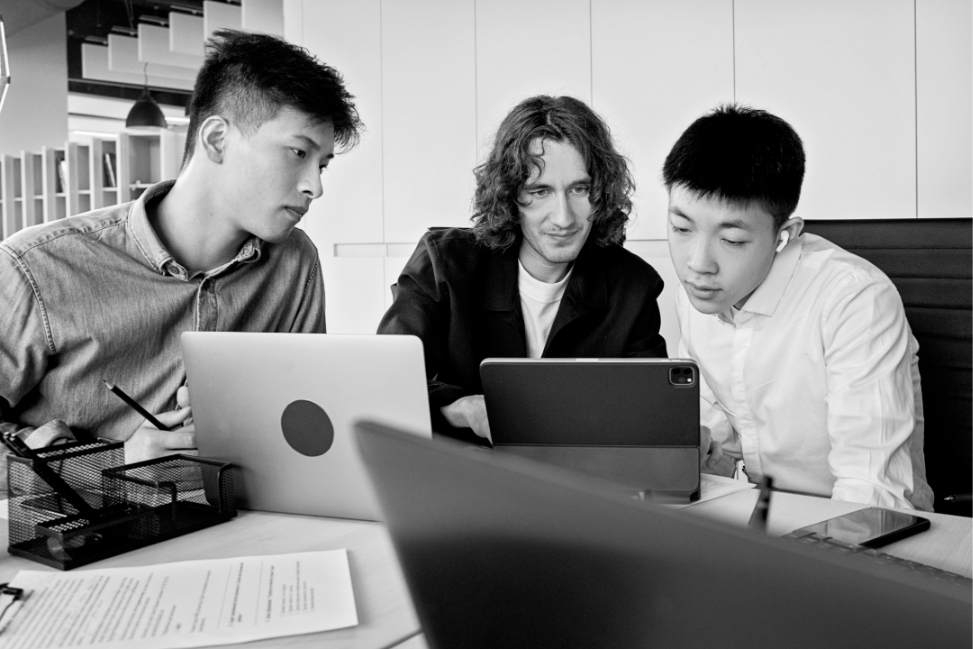
Vietnam is often discussed for its manufacturing base. Its creative talent deserves just as much attention. Remote Resources has worked with Vietnam talent in design, art and production roles for more than a decade.
In our experience, Vietnamese designers bring a strong work ethic and real care for the details of their work. The working culture is collaborative, respectful and kind. Designers tend to take feedback seriously and come back with thoughtful revisions. You can read more about this in our article on cultural differences in offshore teams.
Many designers also work close to a large manufacturing ecosystem. That can make it easier to keep production realities in mind, such as materials, tooling and packaging costs. Experience varies by person, so ask about it during interviews.
There is a practical time advantage too. Vietnam runs on UTC+7. For North American teams, feedback sent at the end of the day can come back as revised files by the next morning. European teams get a useful overlap during their morning hours.
To be honest, none of this works without structure. A Vietnam team still needs clear briefs, regular check-ins and someone on your side who owns the feedback. With those basics in place, the team becomes a real extension of your design department.
What Stays With You, and What Remote Resources Takes Off Your Shoulders
The most common worry is losing control. In a dedicated team model, you keep control of the work itself. Remote Resources takes care of everything around it.
This split lets your design leads focus on design. They do not need to learn local employment rules, set up payroll or find office space. Remote Resources has handled this side of offshore team setup since 2012.
People-first HR is a big part of the model. Designers who feel supported and valued tend to stay, and stable teams keep their knowledge of your products. Remote Resources keeps a staff retention rate of nearly 100%. That means you are not retraining new designers every few months. Read more about why employee retention matters in Vietnam.
The cost structure is transparent as well. You pay the direct labor cost, meaning salary and mandatory benefits, plus a monthly management fee. The total depends on roles, seniority and team size. Our guide to the real cost of hiring offshore staff in Vietnam explains which factors shape the budget. To explore which design roles could fit your team, see how Remote Resources sets up dedicated teams.
From Design File to Factory Floor
Good product design always keeps production in mind. A design that looks great on screen but is hard to manufacture costs time and money later.
For toys, games and collectibles, Remote Resources can connect your design work directly to production. Through its sister company Play Trail, clients get access to a network of trusted manufacturers in Vietnam and Southeast Asia. Play Trail supports manufacturer selection, factory audits, sampling and quality control. This includes coordinating safety testing toward standards such as ASTM, EN71 and CPSIA.
This step is optional. Many companies only need the design team. But if you also want product and packaging design that is ready for production, it helps when designers and sourcing specialists already work within the same group. For a closer look at the design stages themselves, see our guide to product, technical and packaging design.
How to Get Started With a Dedicated Product Design Team
A strong start depends on preparation. These steps help you build a team that delivers from the first weeks:
- Map the work. List the design tasks that slow your in-house team down. Is it concept work, 3D modeling, packaging or technical drawings?
- Define the roles and seniority. Decide which roles you need first and how independent each one should be. A clear job brief for offshore recruitment leads to a stronger shortlist.
- List your tools and file formats. Share which design and 3D software, file standards and brand assets the team will use.
- Set a review rhythm. Agree on check-ins, feedback rounds and one point of contact on your side.
- Start small, then scale. Begin with one or two roles. Once the workflow runs well, add roles or expand into packaging or technical design.
Hiring takes time, so plan ahead of your next launch cycle. Our article on how long it takes to hire offshore staff in Vietnam explains what to expect. Companies building digital products can also learn from how product teams set up a dedicated UI/UX team in Vietnam.
Give Your Design Team Room to Breathe
A dedicated product design team in Vietnam gives your company more design capacity, with people who learn your brand and stay. You keep the creative lead. The hiring, HR and daily care of the team are handled for you.
Start by listing the design work your team never quite gets to. Then get in touch with Remote Resources to discuss which roles would make the biggest difference, and how a team could be built around your products.
Frequently Asked Queations
Can an offshore product designer work alongside our in-house design team?
Yes. A dedicated designer works as part of your team, in your tools and meetings. Most companies give them one clear point of contact and the same briefs as in-house colleagues. With regular check-ins, they become a natural part of the design workflow.
Can one dedicated team handle both product design and packaging design?
Yes, if the team is built with both in mind. Some designers are strong in both areas, while larger projects often need separate product, packaging and technical design roles. Defining your scope early helps you choose the right mix.
How long does it take to hire a product designer in Vietnam?
It depends on the role, seniority and how clear the brief is. Specialized roles, such as experienced 3D or technical designers, can take longer to fill. A detailed job brief and quick interview feedback help shorten the process.
What does a dedicated product design team in Vietnam cost?
Cost depends on the roles, seniority, team size and support needed. With Remote Resources, you pay the direct labor cost (salary and mandatory benefits) plus a transparent monthly management fee. Each team is scoped individually, based on your requirements.
Do we need a legal entity in Vietnam to build a design team?
No. Remote Resources employs and hosts the team locally, so you can build a team without setting up your own entity. This makes it easier to test the model before committing long term.